
close
Choose Your Site
Global
Social Media

Views: 0 Author: Site Editor Publish Time: 2025-05-24 Origin: Site


Load Characteristics and Power Requirements
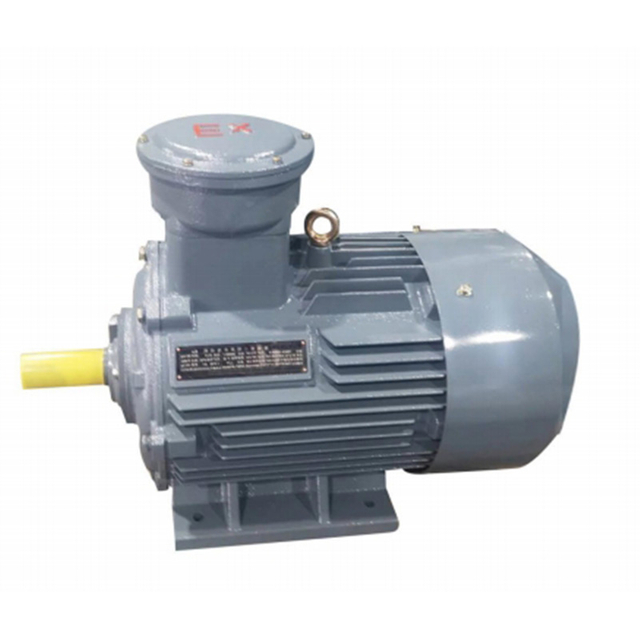
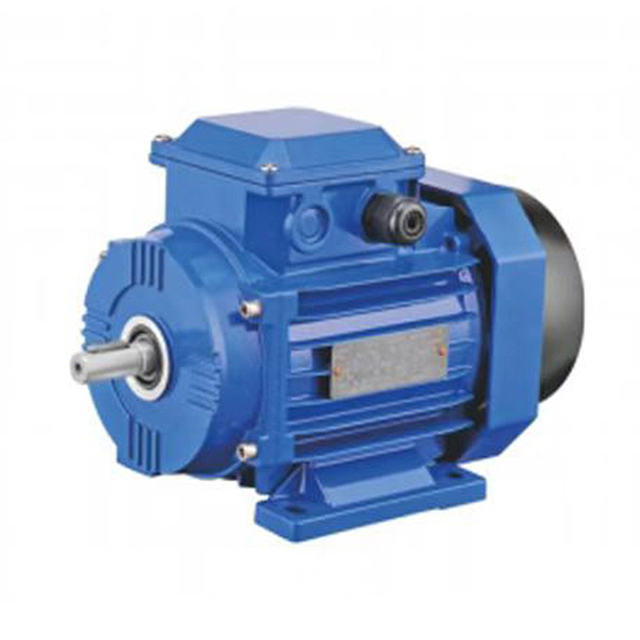
High power, high load: such as compressors, fans, conveyors and other equipment that require continuous high torque, three-phase motors are preferred, with better overload capacity (4-5 times) and stability38.
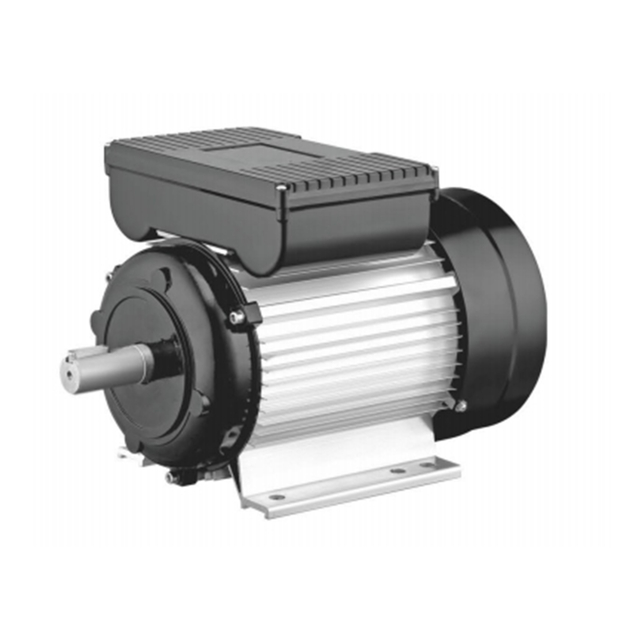
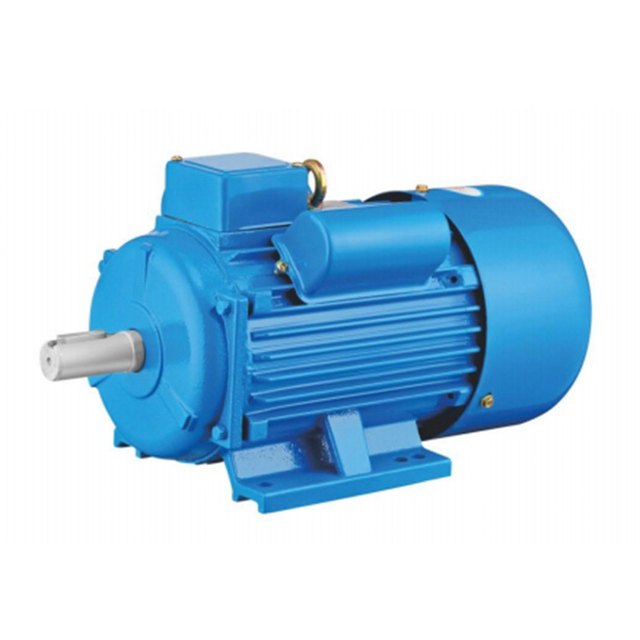
Light load, intermittent operation: such as small mixers, hand tools, etc., single-phase motors are sufficient to meet the needs and are highly adaptable7.
Control complexity and speed control requirements
Variable speed control: Variable speed equipment (e.g. centrifugal pumps, machine tool spindles) that need to be matched with frequency converters, three-phase motors are more compatible with frequency converters and have a wide range of speed regulation (0-100% of the rated speed)4.
Simple start/stop control: single-phase motors are suitable for on/off control scenarios, such as small conveyor belts or household equipment9.
Environmental adaptability
Harsh environments: three-phase motors are suitable for dusty and humid scenarios such as mines and chemicals due to their high protection level (e.g. IP55) and high temperature resistance (Class F insulation)13.
Space-constrained scenarios: single-phase motors are large in size but do not require three-phase power, making them suitable for small workshops or temporary sites without three-phase power grids5.
Economy and long-term cost
High-energy scenarios: three-phase motors have a significant efficiency advantage, saving 20%-30% on electricity costs over the long term, suitable for equipment that runs for more than 2,000 hours a year37.
Low-budget projects: single-phase motors have low initial investment, suitable for small machines with limited budgets and low power requirements
Translated with DeepL.com (free version)