
close
Choose Your Site
Global
Social Media

Views: 0 Author: Site Editor Publish Time: 2025-06-18 Origin: Site


1. 50% price difference to create a profit base
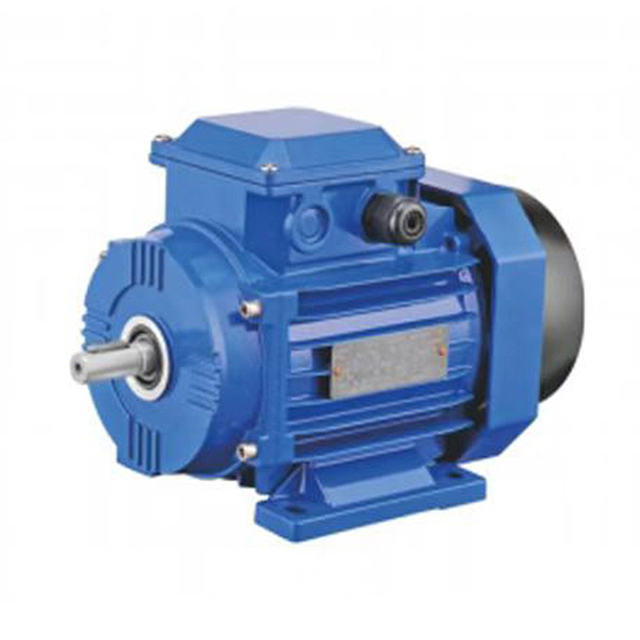
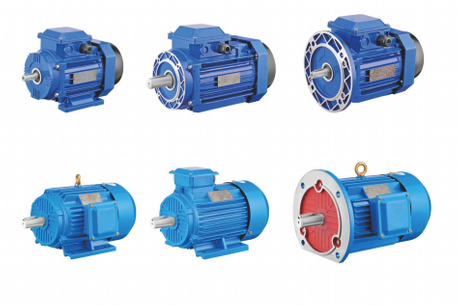
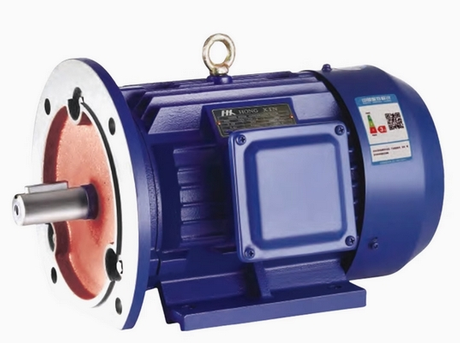
The procurement cost of China's YE3 super-efficient motor (IE3 energy efficiency) is only 30%-50% of that of the U.S. domestic motor. The assembly cost of a 1.5HP meat grinder can be compressed to 120 USD (motor cost is about 60 USD), while the price of American brand products with the same performance reaches 400-600 USD. The price difference originates from China's mature motor industry chain - take Fujian Deba and other factories as an example, their motors are pre-certified by UL/CE, supporting IP55 protection (anti-meat foam infiltration) and Class F insulation (120℃ high temperature resistance), performance standards in Europe and the United States.
2. Policy Subsidies Enlarge Price Advantage
The U.S. government provides $25/horsepower subsidies for NEMA Premium energy-efficient motors, and YE3 motors with efficiencies of 95% or more are fully eligible;
26 states provide tax credits for energy-saving equipment (e.g. California credits 30% of equipment costs). Stacked with subsidies, the actual cost is reduced by another 20%, with more room for terminal pricing.
3. Demand outbreaks are focused on niche markets
Home DIY market: 47 million U.S. households need to upgrade older kitchen equipment, but professional meat grinders are expensive;
Small Food Workshops: Butcher stores and farm outlets are exploding and need to process customized meat fillings (e.g., organic grass-fed beef);
Policy-driven: USDA grants to upgrade meat processing facilities, demand for modular equipment surges