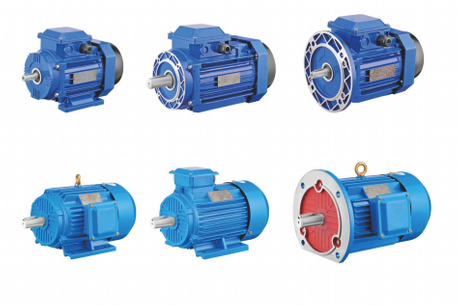
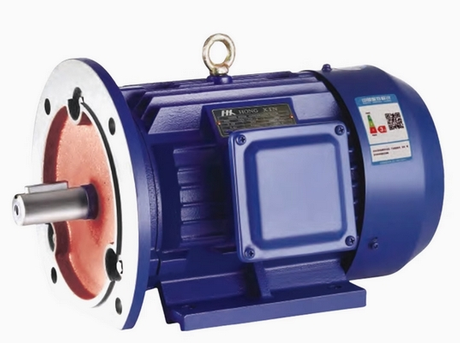
Three-phase induction motors are the workhorses of industrial and commercial applications, known for their reliability, efficiency, and robust performance. However, like any mechanical equipment, they require regular maintenance to ensure optimal operation and longevity. In this article, we’ll explore key maintenance practices to keep your three-phase induction motors running smoothly and efficiently.
---
**1. Regular Inspection and Cleaning:**
Routine visual inspections are the first line of defense in motor maintenance. Look for signs of wear, corrosion, or damage to the motor casing, wiring, and connections. Dust, dirt, and debris can accumulate on the motor surface and cooling fins, reducing its ability to dissipate heat. Regularly clean the motor using compressed air or a soft brush to prevent overheating and ensure proper ventilation.
---
**2. Lubrication of Bearings:**
Bearings are critical components that support the motor’s rotating shaft. Improper lubrication can lead to increased friction, overheating, and premature failure. Follow the manufacturer’s guidelines for lubrication intervals and use the recommended type and amount of grease. Over-lubrication can be as harmful as under-lubrication, so ensure the bearings are properly greased without excess.
---
**3. Monitoring Temperature and Vibration:**
Excessive heat and vibration are common indicators of motor problems. Use infrared thermometers or thermal cameras to monitor the motor’s temperature during operation. Abnormal vibrations can signal misalignment, unbalanced rotors, or bearing issues. Regularly check vibration levels using a vibration analyzer and address any anomalies promptly to prevent further damage.
---
**4. Checking Electrical Connections:**
Loose or corroded electrical connections can lead to voltage drops, overheating, and motor failure. Periodically inspect the terminal box, wiring, and connections for tightness and signs of wear. Ensure that the motor is powered off before performing any electrical maintenance to avoid accidents.
---
**5. Testing Insulation Resistance:**
The insulation of motor windings can degrade over time due to heat, moisture, or contamination. Use a megohmmeter (insulation resistance tester) to measure the insulation resistance regularly. Low insulation resistance can lead to short circuits and motor failure. If the readings are below the recommended levels, investigate and address the cause immediately.
---
**6. Aligning the Motor and Load:**
Misalignment between the motor and the driven equipment can cause excessive wear on bearings, couplings, and shafts. Use laser alignment tools or dial indicators to ensure proper alignment during installation and after any maintenance work. Proper alignment reduces vibration and extends the motor’s lifespan.
---
**7. Monitoring Load Conditions:**
Operating a motor under excessive or variable loads can lead to overheating and reduced efficiency. Ensure that the motor is appropriately sized for the application and avoid overloading. Use current clamps to monitor the motor’s current draw and ensure it operates within the rated limits.
---
**8. Scheduled Preventive Maintenance:**
Implement a preventive maintenance schedule based on the motor’s operating conditions and manufacturer recommendations. Regularly replace worn-out parts, such as belts and couplings, and perform comprehensive checks to identify potential issues before they escalate.
Three-phase induction motors are essential to countless industrial and commercial operations, and their proper maintenance is crucial for ensuring reliable performance and minimizing downtime. By following these maintenance practices, you can extend the life of your motors, improve energy efficiency, and reduce operational costs.
At chaolu, we specialize in providing high-quality three-phase induction motors and expert maintenance services. Contact us today to learn more about our products and how we can help you keep your motors running at their best.