
close
Choose Your Site
Global
Social Media

Views: 0 Author: Site Editor Publish Time: 2025-06-19 Origin: Site


1. 50% price difference to create a profit base
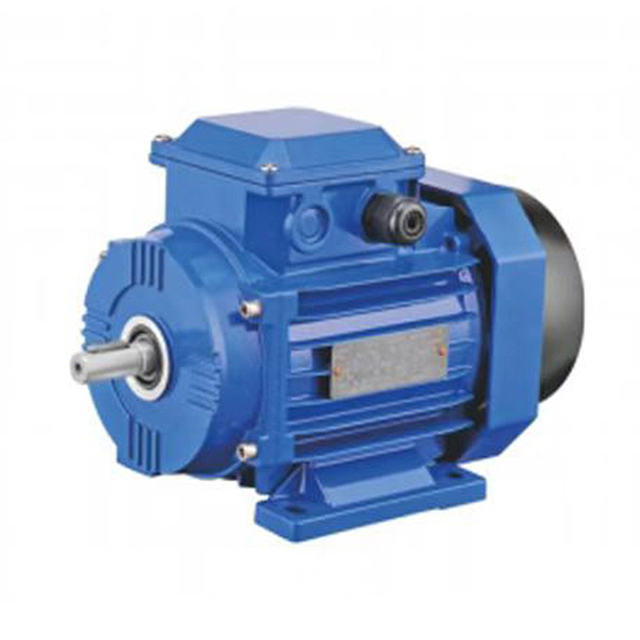
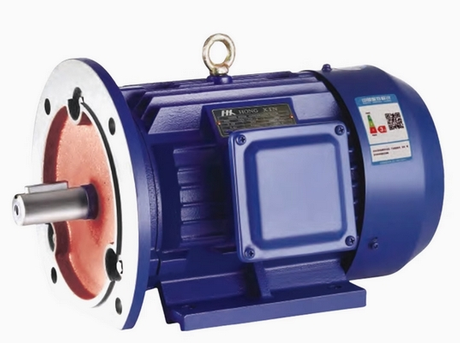
The purchase cost of Chinese YE3 super-efficient motor (IE3 efficiency) is only 30%-50% of that of American motors. The assembly cost of a 1.5HP bone saw can be compressed to $200 (motor cost is about $80), while the price of the same performance model of the American brand is $800-$1500. The price difference originates from China's mature motor industry chain - for example, factories such as Fujian Deba, whose YE3 motors have passed the UL/CE certification, supporting Its YE3 motors are UL/CE certified, support IP55 protection (anti-foam penetration) and F-class insulation (120℃ high temperature resistance), and have an efficiency of more than 95%, which is fully in line with the NEMA Premium standard.
2. Policy subsidies amplify the price advantage
The U.S. government provides $25/horsepower subsidy for NEMA Premium energy-efficient motors, and YE3 motors are perfectly qualified;
26 states provide tax credits for energy-efficient equipment (e.g. California credits 30% of equipment cost). After stacking the subsidies, the actual cost is reduced by another 20%, and there is more room for terminal pricing.
3. Demand bursts are concentrated in niche markets
Small-scale food workshops: more than 120,000 butcher stores across the U.S. need to process customized meat products, but specialized equipment is expensive;
High-end home market: DIY culture has created demand for customized meat at home (e.g., dry-aged steaks);
Policy-driven: USDA grants to upgrade meat processing facilities, demand for modular equipment surges